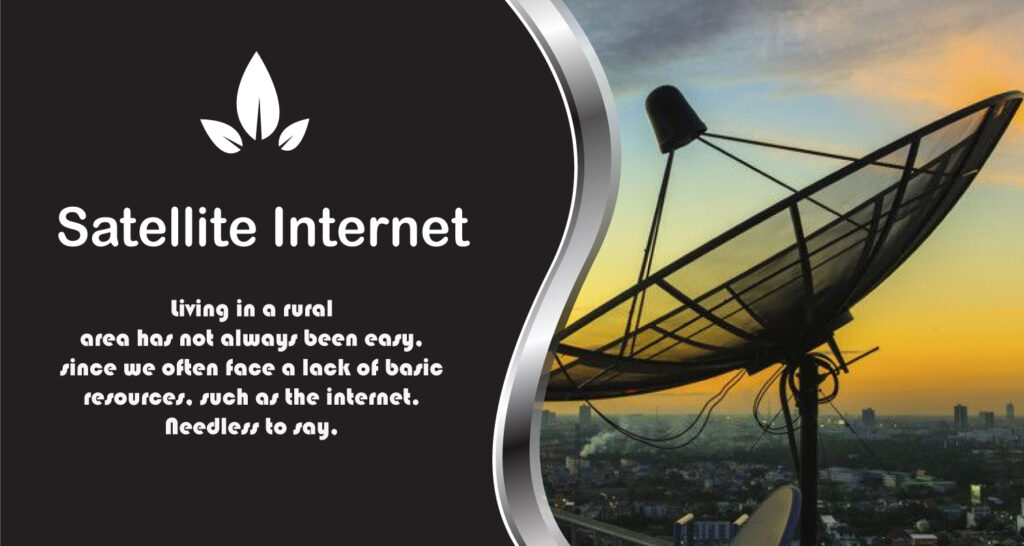

Living in a rural area has not always been easy, since we often face a lack of basic resources, such as the internet. Needless to say, this limitation directly clashed with my goal of working remotely.
That was until I started using what is currently the best home internet service in rural areas – Satellite Internet.
This new form of internet has been a game-changer in helping me overcome the connectivity challenges rural areas face and help me pursue a remote job seamlessly. In this article, I’ll explore some of the challenges and ways satellite internet helps overcome them.
Let’s get started.
4 Major Connectivity Challenges Rural Areas Face
From provider interest to natural landscapes, and everything in between, let’s explore why rural areas still face a lack of connectivity in a highly tech-friendly nation.
Limited Number of Internet Providers
Rural and remote areas have a very limited population, and from a business perspective, this low number of people is not a very profitable investment, considering the huge costs of setting up an entire infrastructure. The result is a very low, if any, number of internet providers.
Higher Cost of Connectivity
Since the number of people living in rural areas is often low, internet providers charge higher rates to cover the costs of setting up and providing services in such areas. The provider has to cover a large and difficult distance to provide connectivity in such areas, and that, paired with the low population, translates to higher plan costs.
Lack of Quality Connections
The low population and the cost of setting up the required infrastructure in remote areas limit the quality of internet connections in such areas. For example, a fiber internet provider will need equipment such as fiber cables, instead of copper cables, and setting all this up for a low population might not be the most profitable decision as an internet provider.
Environmental and Geographical Barriers
There’s no doubt that the natural landscapes, like mountains and rivers, offer a great view. Sadly, they are not best friends with internet connectivity. That’s because they make it tough to create the infrastructure needed to support seamless connectivity. Even if they don’t cause issues here, they can still interfere with and negatively impact the strength of internet connections.
That about covers the challenges that others like me living in rural areas have to face. Now, let’s take a look at how satellite internet has helped me work around each of them.
3 Ways Satellite Internet Overcomes Connectivity Challenges in Rural Areas
The 3 ways satellite internet overcomes connectivity challenges in remote areas allowed me to seamlessly work remotely and more. Let’s take a look at them.
Reaches Almost Anywhere
Since satellite internet uses satellites to provide connectivity, it doesn’t need an extensive land-based infrastructure.
The result? Connectivity that can reach almost anywhere. You could be working from the top of a mountain, and you’d still be connected. To keep things fair, you will need a clear view of the sky and clear weather too.
No Expensive Infrastructure
Compared to options like fiber that require setting up an extensive infrastructure and getting the needed permits, satellite internet is a much quicker option for rural areas. The satellites are already in orbit, and the only other equipment needed to connect is a dish and a modem.
Easy to Set Up
Implementing the infrastructure needed for fiber internet and installing a setup can take a while, especially in remote areas. Satellite internet, on the other hand, is very easy to set up, and even if you’re not very tech savvy, it’s no rocket science. Many satellite internet providers offer DIY kits with simple instructions that can have you up and running in no time.
The best part is that this is only the beginning, because satellite internet, like any technology, is improving day by day.
The next section explores some major changes that might make working remotely in rural areas even easier than the current satellite internet technology.
How Satellite Internet Is Evolving
The reason behind the improvements in satellite internet is low-orbiting satellites. These are satellites that orbit close to the Earth, and this results in the 3 major benefits shared below.
Low Latency
Latency is how long it takes data to move from its source to its destination. It’s measured in milliseconds, and the lower it is, the better. Low-orbiting satellites have helped reduce latency by up to 50 milliseconds, making it easier for remote workers to make video calls or use cloud applications.
Faster Speed
With high-orbiting satellites, the maximum speed you could squeeze out, if you were lucky, was 25 Mbps (Megabits per second). With low-orbiting satellites, this speed has bumped up to 250 Mbps, and we may soon see it break into Gigabit speeds as well.
Higher Reliability
Previously, satellite internet providers used a limited number of satellites to support millions of users, which caused problems such as network congestion and service throttling. Now, companies are using a large number of smaller low-orbiting satellites to create a mesh network in space. This means that if one satellite malfunctions, another can take over, preventing network congestion and improving reliability.
Satellite Internet – The Way Forward for Remote Workers in Rural Areas
By offering a less complex infrastructure, easier setup, and a greater range, satellite internet has helped overcome many connectivity issues for aspiring remote workers living in rural areas. As the use of low-orbiting satellites becomes the norm, the speed and reliability of this evolving service may soon match other renowned forms of connectivity.