

Mosquitoes can transform even the most beautiful outdoor locations into uncomfortable, itchy battlefields. Be it a backyard barbecue or a quiet evening on the patio, these annoying pests can soon become a spoil-sport.
Moreover, mosquitoes are not merely a nuisance; they can also carry disease, so it is necessary to manage them effectively for comfort and health.
Therefore, where can you best invest your energy regarding mosquito spraying? Although a quick and general spray can do the trick, the truth of the matter is a lot more strategic.
You can significantly enhance the impact of your mosquito control efforts by identifying the specific areas around your home that harbor mosquito habitat.
Below are some of the common areas you need to spray to control mosquitoes effectively within your home or property.
1. Standing Water Sources
The most urgent areas to address are any places where standing water collects. Mosquitoes depend on still water to lay their eggs, making such spots ideal breeding grounds.
Even the smallest amount of water—such as what collects in a bottle cap—can support mosquito larvae. Thus, it is necessary to examine your property carefully to identify objects like clogged gutters, birdbaths, flowerpot saucers, old tires, and buckets.
Moreover, natural conditions can be the cause of the problem, like the low-lying spots in your yard, where the rainwater gathers. The proactive strategy is particularly necessary in such areas as Caldwell, Idaho, where seasonal conditions may promote the activity of mosquitoes.
This is the reason why it is possible to invest in mosquito spraying in Caldwell and target these breeding hotspots. Therefore, a combination of source elimination and targeted treatment is the surest way to achieve a holistic and sustainable decrease in mosquito numbers.
2. Thick Brush and Shrubs
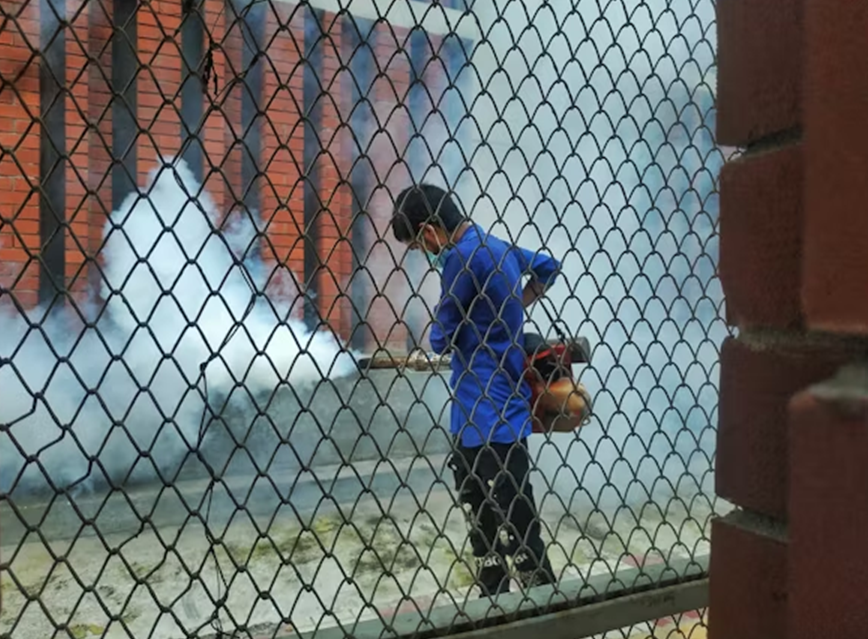
Another overlooked hot spot is the dense vegetation. When it is hot, mosquitoes will find a place to rest, and the ideal place is in thick shrubs, hedges, and tall grasses.
Consequently, such regions have the potential to host large populations of mosquitoes awaiting an opportunity to emerge.
This is why it is effective to spray bushes, under leaves, and along the sides of landscaped areas.
Moreover, shearing excess vegetation and keeping your lawn trim, as well as how your yard looks, help minimize hiding places for mosquitoes. Attacking such stippled hideouts will save you a lot of mosquitoes that may be hovering around your house.
3. Decks, Patios, and Outdoor Living Spaces
The most important places are the ones where you and your family spend most of your time outside. There are usually structures around decks, patios, and other outdoor seating areas that provide shade and hold moisture, which are favored environments by mosquitoes.
Moreover, people and pets are easy sources of food for these pests.
Thus, it is important to concentrate mosquito spraying activities in these high-traffic areas. Watch the bottoms of decks, cracks in wood structures, and spaces behind outdoor furniture, particularly.
This is not only useful for eliminating existing mosquitoes but also for creating a barrier that will mitigate future activity. Consequently, you will be able to have more comfort and tranquility in your outdoor spaces.
4. Gutters and Rooflines
The other area that is largely overlooked is your home’s gutter system and roofline. Over time, gutters may become clogged with leaves and debris, which can trap water and create an ideal breeding ground.
Mosquito growth can occur even without the visible pooling of water, but in the presence of damp organic material.
As a result, it is important to maintain gutters regularly. Nonetheless, in addition to cleaning, treating the rooflines and gutter edges with mosquito treatment can further improve safety.
By attacking these high-ground areas, you help prevent mosquitoes from settling in areas that are frequently out of view yet highly productive for breeding.
5. Property Borders and Fences
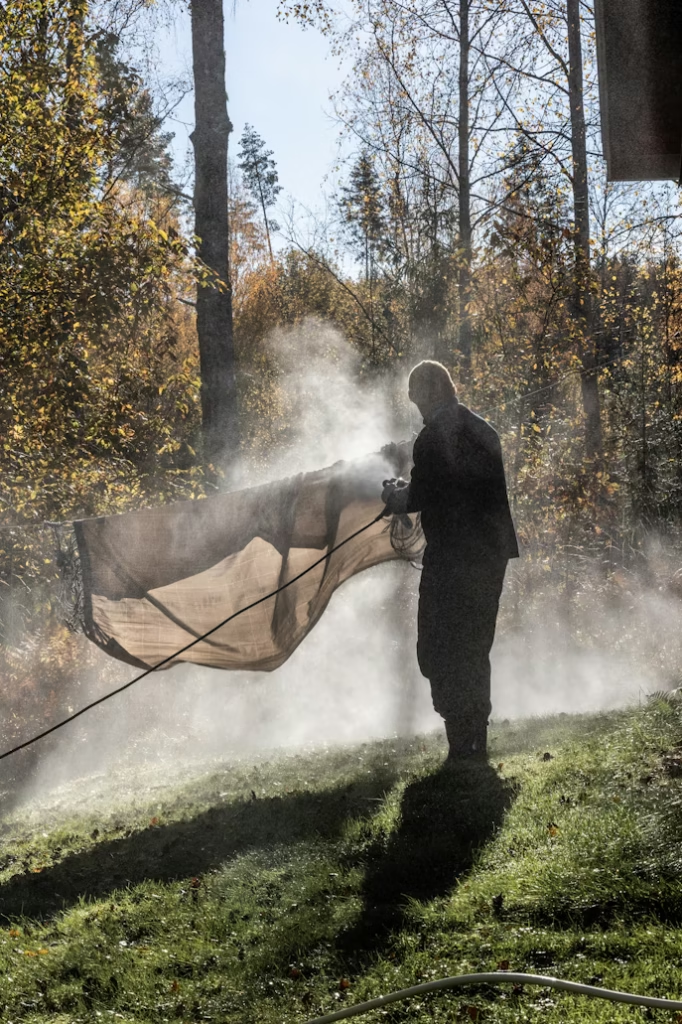
Out in the distance, fences and property boundaries also warrant consideration. These places are characterized by a mix of shade, plants, and minimal ventilation, making them favorable hiding places for mosquitoes.
In addition, adjacent lands can facilitate mosquito breeding, particularly when they have uncontrolled water bodies or dense vegetation.
Spraying fence lines and the edges of your yard will help create a buffer zone that restricts mosquito movement into your area. Moreover, this method is effective when used in conjunction with other interventions, thereby strengthening your mosquito control strategy. By setting this boundary, you will reduce the number of mosquitoes entering your outdoor space.
6. Irrigation Systems and Drainage Areas
Drainage and irrigation systems, in most instances, can inadvertently facilitate mosquito activity. For example, poorly draining soil, leaky hoses, or overwatered lawns may create damp conditions long enough for mosquitoes to breed.
Likewise, after precipitation, storm drains and ditches may contain water, making them invisible hotspots.
To ensure this, it is crucial to observe the flow of water in the property. Proper irrigation scheduling and drainage can make a big difference.
7. Playgrounds and Recreational areas
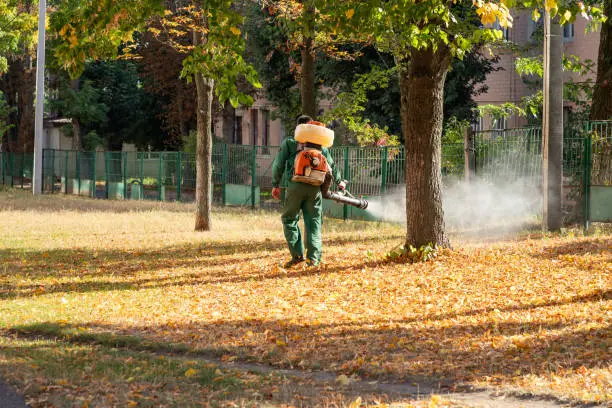
Do not ignore recreational spaces, such as playgrounds, swing sets, and sports areas. These areas usually contain shadowed buildings, loose soil, and a few water pools, all of which attract mosquitoes.
They are the places where children and families meet, and therefore, it is particularly crucial to ensure there are no mosquitoes.
Treatments applied around these areas, as well as keeping them clean and dry, will help to keep them safe and pleasant. Also, implementing mosquito control into your yard maintenance process will strengthen long-term protection and reduce the risk of infestations.
Conclusion
It is not a matter of random spraying but of targeting mosquitoes. You can drastically reduce the number of mosquitoes on your property by addressing key areas, such as standing water sources, thick vegetation, outdoor living spaces, gutters, property boundaries, drainage areas, and recreational areas.
In addition, the solution covers both the breeding and resting patterns of mosquitoes, making it more complete.