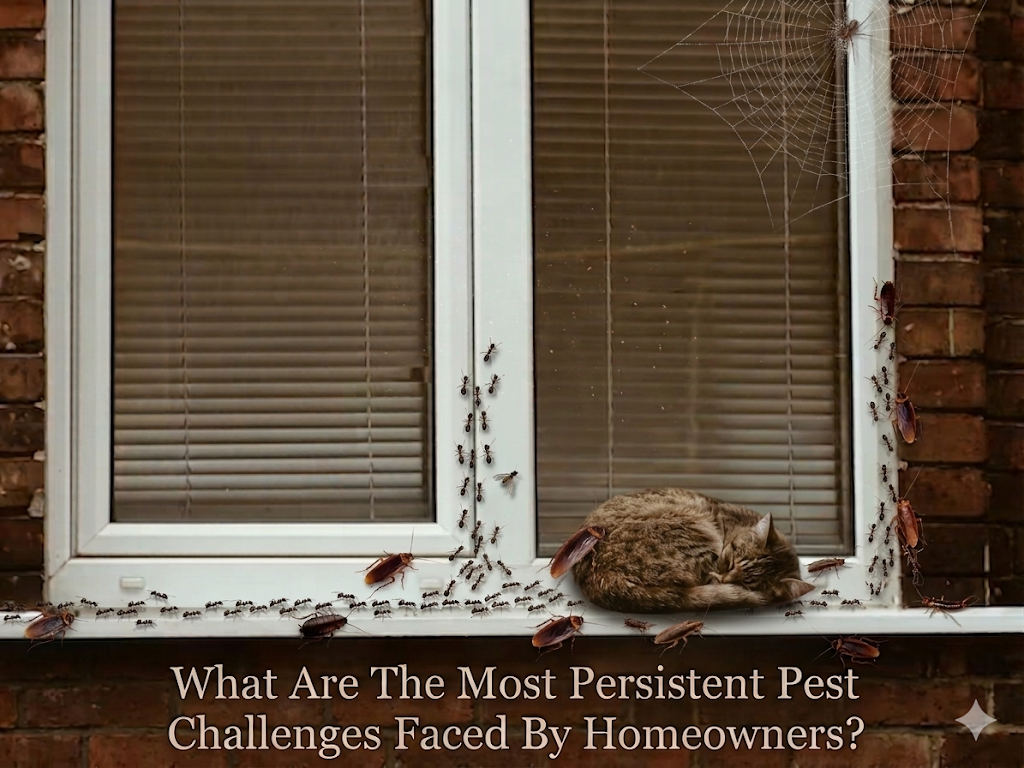

Pest issues are a common aspect of owning a house. However clean or well-maintained a house is, there are always ways in which insects and rodents manage to creep into the house. From small ants in the kitchen to scratching in the attic, these unwanted guests may make everyday life more troublesome and add ongoing stress.
What makes the situation worse is that the pest problems can remain persistent. Most property owners struggle with repeat infestations, even after using sprays, traps, or even professional services. It raises a puzzle and a question: why are some pest problems so difficult to get rid of?
The solution can be found in the characteristics of some pests and in the conditions that favor them. Certain infestations are more tenacious since they are seasonal, concealed, or embedded in the structure of the home. These challenges are important to understand in order to manage them and avoid long-term harm.
Read the following article to understand the common pest challenges most homeowners face.
- Recurring Seasonal Pest Invasions
Seasonal recurrence of pests is among the most widespread issues residents encounter. Despite their predictability, these infestations can be frustrating, as they keep coming back despite any preventive measures.
During warmer periods, ants, mosquitoes, and flies will enter your home in search of food and water. In turn, during colder times, rodents like mice and rats start searching for warm places to spend the winter, often gaining access to premises through minor cracks and openings.
This problem is especially relevant in places like Madison, WI, where weather changes are drastic. Residents may anticipate winter rodent invasions or summer bugs, but infestations will inevitably occur.
That’s why collaboration with experienced local exterminators near Madison can help you tackle this problem effectively. They know when those pests appear and use proper treatments before the peak season.

- Hidden Infestations That Go Undetected
Not all pests can be easily identified by their presence. In reality, the pests that cause homeowners the most trouble are usually those that have been living unnoticed for a while.
Termites, rodents, and some insects, for instance, thrive in places such as walls, attics, crawlspace, or even basements since they offer them shelter, warmth, and access to food. As a result, they can multiply undisturbed until they are detected.
As it happens, this factor contributes to their persistence. Because many home infestations can go unnoticed for quite some time, they become problematic.
Homeowners must detect pests at an early stage. Otherwise, their problem will only get worse. Fortunately, some experts can identify pests by using subtle signs.
- Understanding Why Some Household Pests Are Harder to Control Than Others
Some pests are harder to kill than others. Among the most stubborn invaders of homeowners are ants, cockroaches, and rodents.
An example is the ant, which lives in large colonies. Even if you eliminate the ones you see, the colony remains active nearby. Without targeting the nest, the problem continues.
Cockroaches are also difficult to control because they can withstand harsh conditions and multiply rapidly. They frequently hide in dark, damp places, making them difficult to eliminate.
Rats make it even more challenging. Mice and rats can squeeze through unusually small holes, implying that even closed homes can be exposed. When they get inside, they multiply rapidly and may damage the wiring, insulation, and stored items.
What is so tenacious about these pests is their adaptability. They can adapt to various environments and evade primitive regulatory strategies. Over-the-counter remedies are likely to offer a short-term solution, but they seldom address the cause of the infestation.
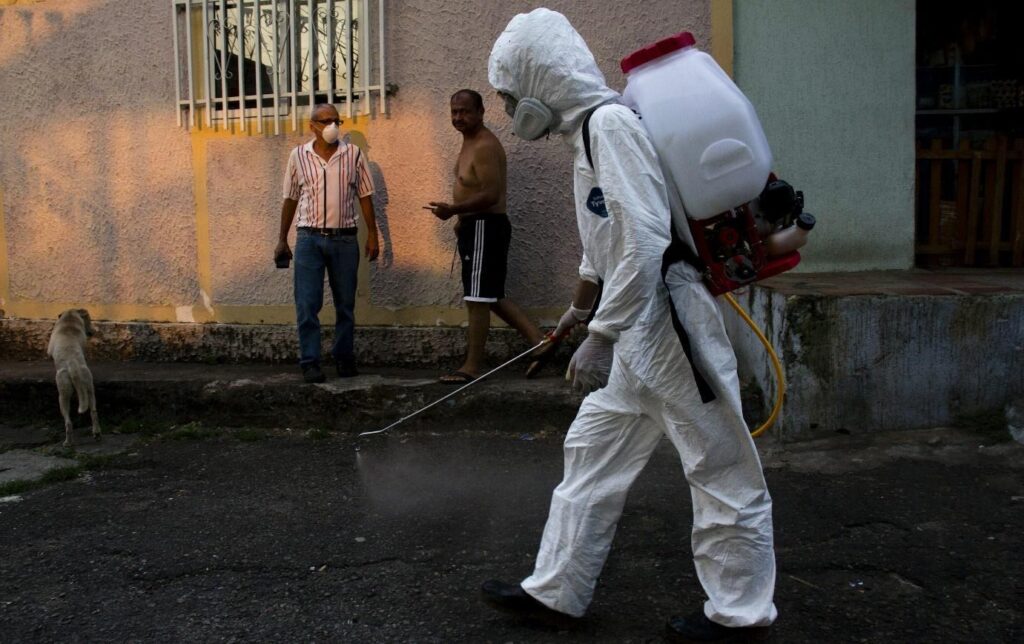
- Termite Damage That Often Goes Unnoticed Until It’s Severe
Termites are among the most devastating pests a homeowner may face, mainly because they are very silent. Termites, unlike other pests, do not announce themselves, and therefore, they can cause so much damage before they are even noticed.
These insects feed on wood and other cellulose-based materials, weakening a home over time. They can also be concealed within walls, floors, or foundations, making them very hard to detect at an early stage.
Until they find evidence of a termite problem, such as hollow-sounding wood, sagging floors, or mangled wings, homeowners might be unaware that they have a termite problem. The damage might have been huge and expensive to fix.
- Frequent Reinfestation after Treatment
Homeowners who have successfully controlled pests still have reinfestation. This can be one of the most frustrating aspects of dealing with pests.
Pests have several reasons for reverting. The surrounding areas, including a neighboring house, a forest, or standing water, may be the origins of new infestations. Moreover, when entry points are not sealed properly, pests can easily get back into the house.
The other cause is incomplete treatment. Unless the underlying causes are addressed, the infestation will most likely recur once only the apparent pests are addressed. An illustration of this is the presence of food-related problems or the inability to seal moisture cracks back into the house, both of which invite pests.
That is why prevention, in the long run, is as important as immediate treatment. Pest control requires continuous maintenance, frequent inspections, and mitigation of environmental conditions to prevent pests from being attracted in the first place.
Closing Remarks
Pest infestations are not temporary annoyances; they can be persistent issues that interfere with normal activities and destroy property. These range from annual attacks and concealed infestations to tough pests such as rodents, termites, and bedbugs. The reason for their persistence is the deep-rooted association of pests with environmental factors.
The reason why these problems cannot be eradicated lies not only in the existence of these pests but in the root cause of their proliferation.